
Three generations of mothers. Three completely different worlds.
It’s not just you — motherhood has changed.
My nan raised five kids without ever hearing the word “self-care.”
My mum worked full-time, somehow made packed lunches, and still had time to chat with neighbours over a cuppa.
And me? I’m raising children with Wi-Fi, WhatsApp groups, and a constant feeling that I’m one step behind.
Sound familiar?
If you’ve ever wondered why motherhood feels heavier than it used to — even with modern conveniences and Instagram-worthy gadgets — you’re not imagining it.
In just three generations, the entire landscape of motherhood has changed. The expectations, the support systems, the pace of life — everything has shifted. And while progress has brought freedom, it’s also brought a quiet, invisible strain.
The 1950s–60s: When the Village Was Real
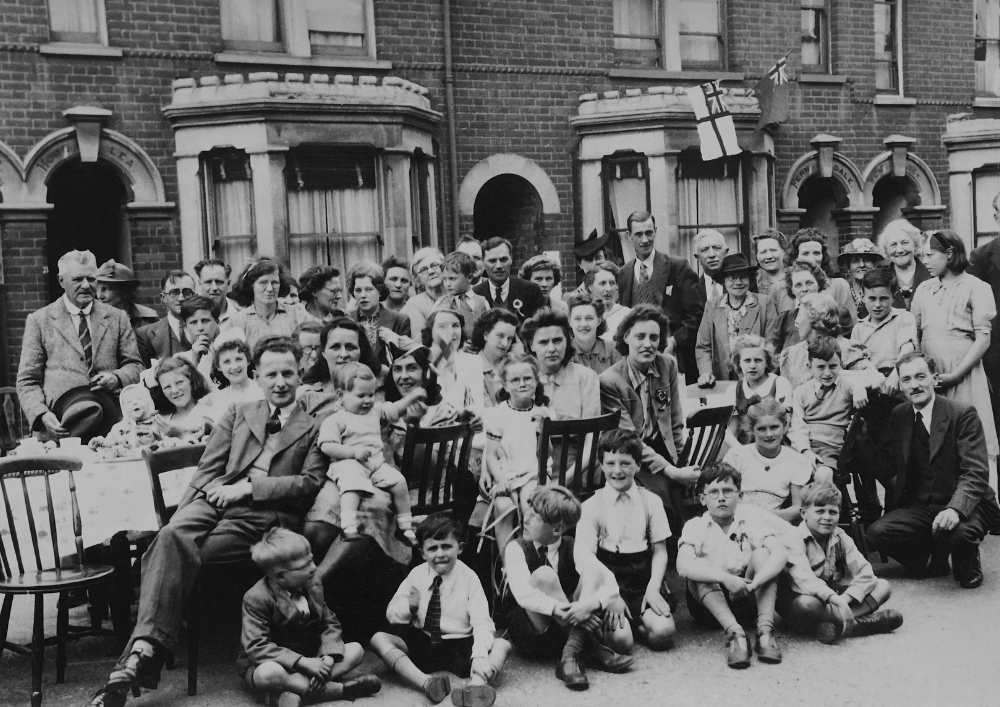
In our grandmothers’ day, life was simpler — and smaller. Families lived close by, neighbours knew each other’s kids, and there was always someone to lend a hand.
Most mums were full-time caregivers. There were fewer parenting books, less comparison, and little pressure to “get it right.” Children played outside, meals were predictable, and everyone ate the same dinner at the same time.
There were, of course, limits — women often lacked financial independence or career choice. But there was community. There were shared routines and collective care. When someone had a new baby, casseroles appeared at the door without needing a WhatsApp reminder.
The village wasn’t a nice idea. It was how the work actually got done.
The 1980s–90s: The Superwoman Era
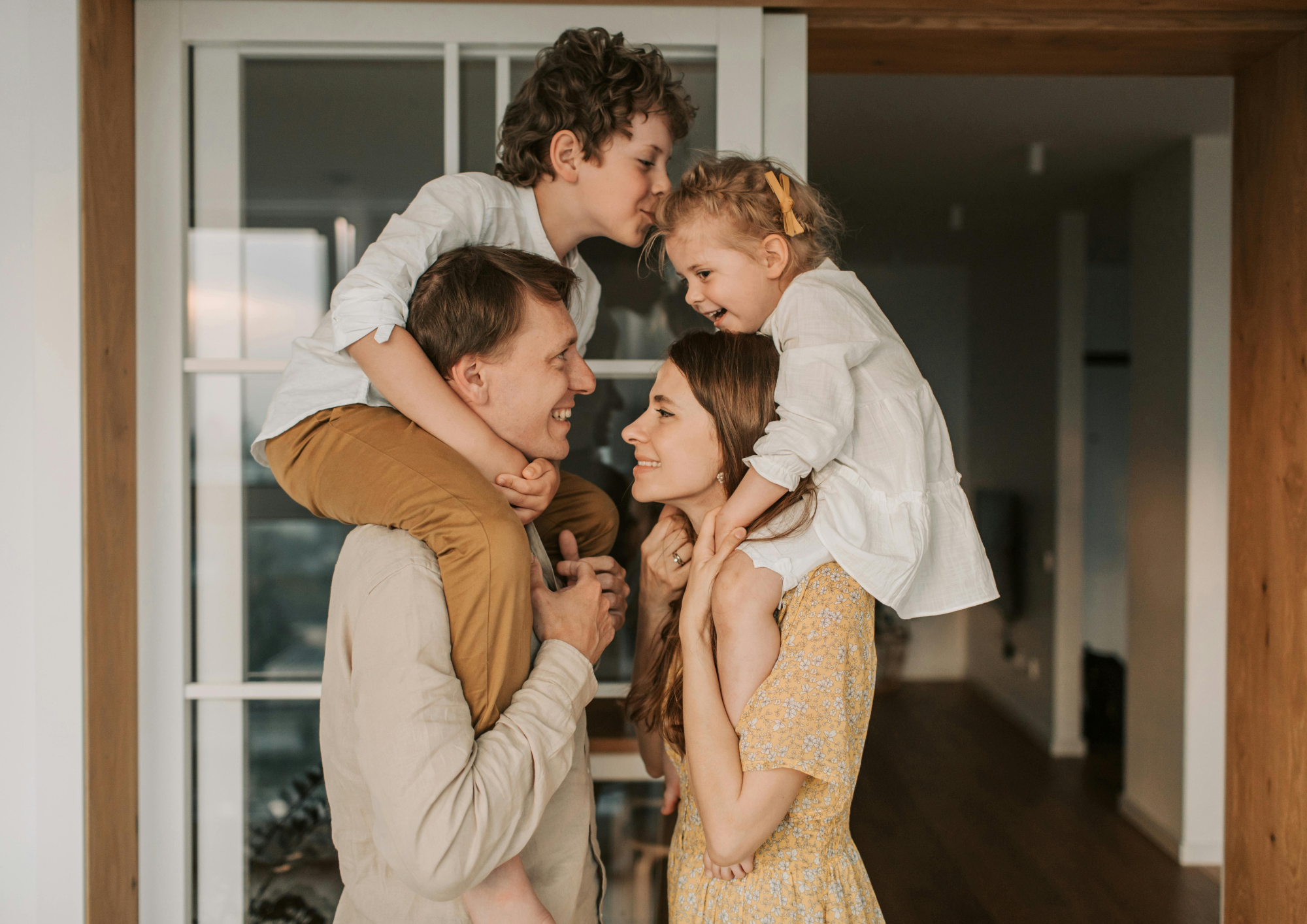
By the time our mothers became parents, the message had changed. Feminism had opened doors — and a whole new kind of pressure walked through them.
Suddenly women could “have it all”: career, family, fitness, a social life, and a spotless house.
Convenience foods promised to save time. But with those “time savers” came longer working hours, commutes, and after-school clubs.
Nobody mentioned that “having it all” would mean doing it all. At the same time. Mostly alone.
This generation did extraordinary things — but at the cost of exhaustion, guilt, and self-neglect. They carried the baton of progress, but without a map for balance.
The 2000s–2020s: The Always-On Era
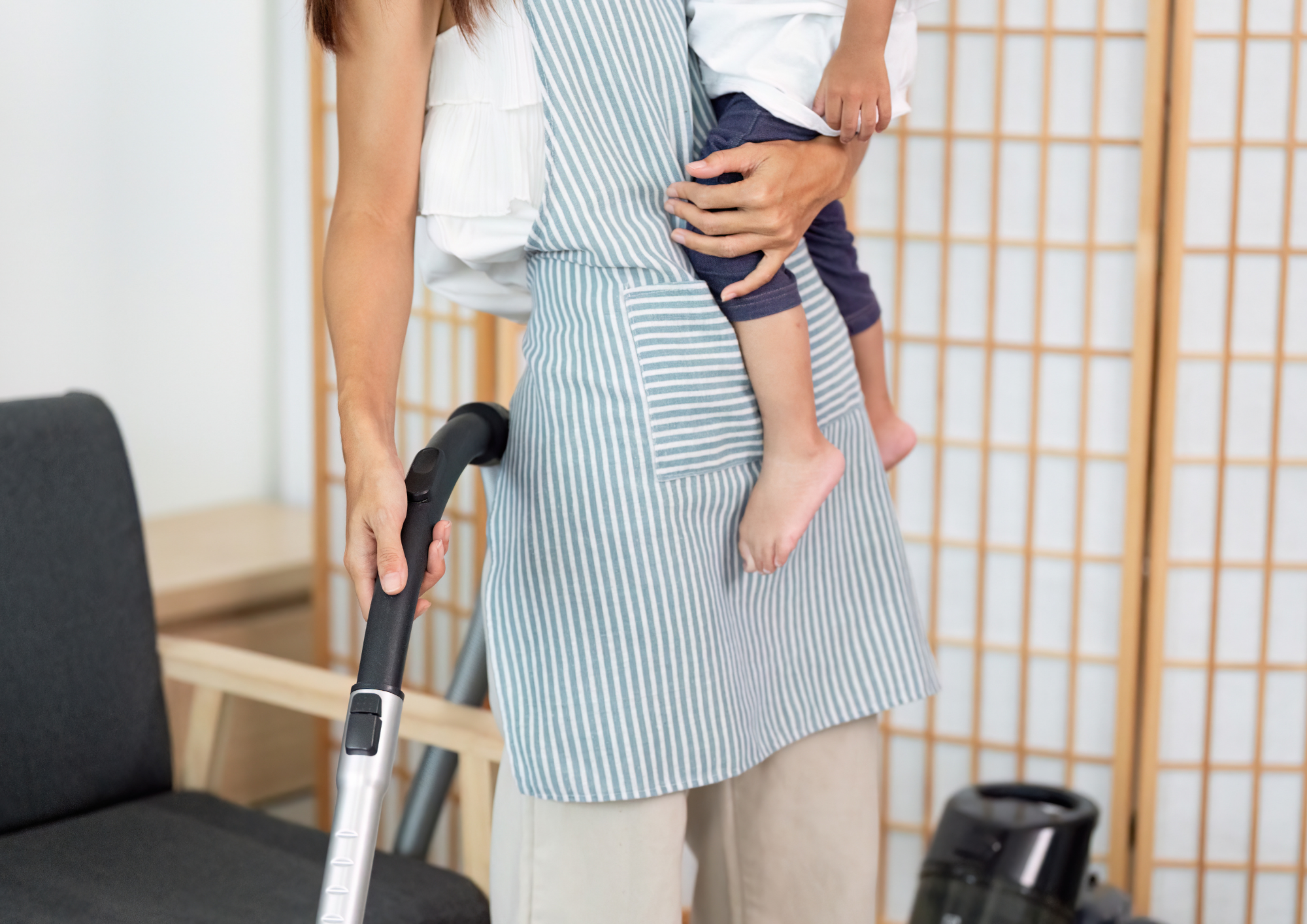
Now, we’re parenting in a world our grandmothers couldn’t have imagined.
The internet connects us — and yet somehow isolates us more than ever. We’re comparing our real lives to everyone else’s highlight reels. We’re juggling work emails, playdates, and school WhatsApp groups.
We’re reading about gentle parenting while losing our minds at the pasta sauce. The irony is not lost on us.
We’re parenting without a village, in a culture that glorifies busyness and perfection. The invisible pressure to do more, know more, and be more — it’s relentless. And it’s no wonder burnout has become the new normal.
If any of this sounds familiar, The Modern Woman’s Load: Why We’re All So Damn Tired is worth a read.
The invisible load
Behind every mum’s to-do list is another list — the one no one sees.
Remembering birthdays. Noticing the empty toothpaste. Scheduling doctor’s appointments. Tracking school projects.
This mental load — also known as emotional labour — runs quietly in the background, 24/7. It’s not just about doing the tasks; it’s about thinking about them all the time.
It’s like having 50 tabs open in your brain. And you can’t close any of them.
When we live in this constant state of mental multitasking, our executive function — the brain’s ability to focus, plan, and prioritise — starts to fray. That’s why so many mums feel scattered, forgetful, or “not themselves.” Why You Can’t Seem to Get Anything Done explains exactly what’s happening when that occurs.
Why we’re more isolated (even when surrounded by people)
Technology connects us globally, but not locally.
We have thousands of followers but no one to pop over when the baby won’t stop crying. Our families live miles away. Our partners work long hours. And childcare costs often make returning to work feel impossible.
What used to be shared between neighbours, aunties, and friends now sits on one person’s shoulders — ours.
That’s not weakness. That’s a structural shift.
Rebuilding the modern village
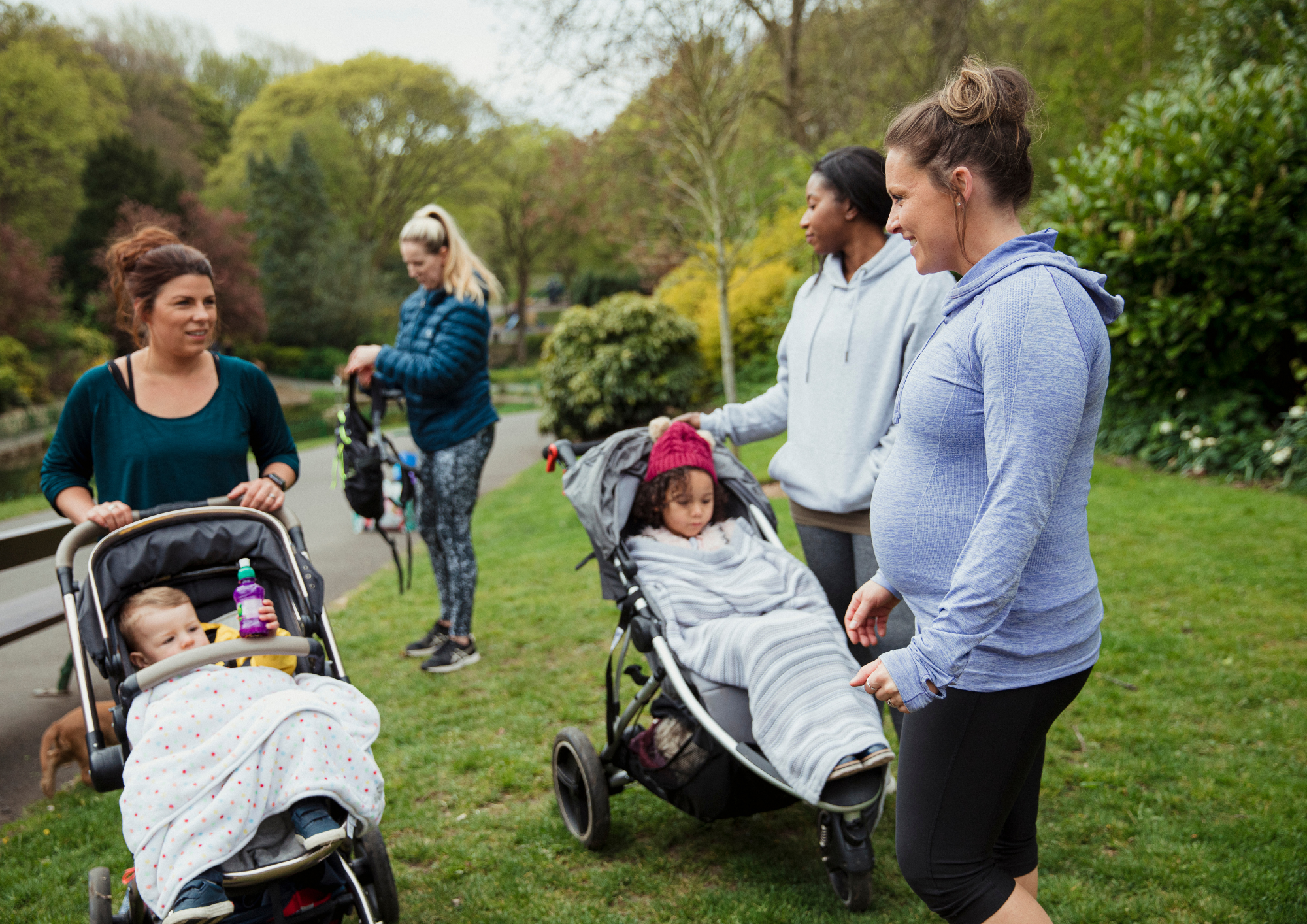
Here’s the good news: we’re not powerless.
More of us are saying enough. We’re finding new ways to reconnect — to rebuild our own version of the village. Through women’s circles, health coaching, wellbeing walks, retreats, and online communities, we’re remembering what our grandmothers already knew: that connection heals.
We can’t go back to our grandmothers’ world. But we can build our own version of what they had.
Why community is the missing piece
Community isn’t just “nice to have” — it’s how we thrive.
Research consistently shows that genuine social connection reduces stress, boosts emotional resilience, and strengthens the immune system. When we’re surrounded by people who get it — who nod knowingly when you say “I haven’t slept properly in years” — something softens. We stop pretending. We start breathing again.
That’s why I created the Wellbeing Walks and Coffee Club — gentle, real-life ways to reconnect with yourself and with others. No judgement, no small talk pressure. Just genuine, grounded community.
Women heal faster together than alone. That’s not a nice idea. It’s what I see every single week.
A final thought
Three generations ago, motherhood was shared.
Two generations ago, it was glorified.
Now, it’s time to make it sustainable.
Because when we start supporting the mother, we start healing the whole system.
If this landed somewhere familiar
A free 30-minute conversation with Mariko is a good place to start. No agenda. Just a proper conversation about what’s been going on and what might help.
And if you want the in-person version — the Wellbeing Walks and Coffee Club are exactly what they sound like. Real women, real conversation, no performance required.
About the Author
Mariko Broome is a trauma-informed health coach and women’s wellbeing specialist based in Keynsham, near Bath. She works with women who are exhausted in ways that don’t show up on blood tests — helping them understand what their nervous system has been trying to say, and what to do about it.
