You’ve tried managing it alone. It hasn’t worked. That’s not your fault.
You’ve read the articles. Tried the supplements. Perhaps even done the 14-Day Reset on your own.
Something shifted — but it didn’t stick. Because knowing what to do and actually doing it, consistently, while running a household, a job, and everyone else’s needs, are two entirely different things.
Maybe you’ve sat in a GP’s waiting room, rehearsing how to explain a tiredness that sleep doesn’t touch. Maybe you’ve read your own bloodwork twice, hunting for what “normal” is missing. Maybe you’ve quietly wondered whether it’s perimenopause, or burnout, or both at once, and nobody’s ever properly untangled the two for you. Maybe it’s simpler than that — you’re wired, not tired-tired, and you genuinely can’t remember what it feels like to sit still without your mind already three tasks ahead. Stopping feels wrong somehow, like you’re not allowed, or like your body’s forgotten how.
This is the same six-week model I use in my group programme — but built entirely around you. Every session is yours alone, shaped around what’s actually happening in your life that week, not a fixed curriculum shared across a room of strangers.
Picture Six Weeks From Now
You sit down and your brain isn’t already three steps ahead, running the list of everything else you should be doing instead.
You stop for five minutes and it doesn’t feel wrong. It doesn’t feel alien, or lazy, or like you’re wasting time you’ll pay for later. You’ve almost forgotten what that kind of quiet feels like — the kind where your body isn’t quietly bracing for the next thing.
You finish work feeling a normal kind of tired — the kind you can actually rest from, not the wired, switched-on exhaustion that sleep never quite touches.
That’s not a promise — every woman’s six weeks looks a little different. But it’s what happens when your nervous system finally gets the chance to remember what stillness feels like, instead of treating it as something to get through as fast as possible.
Why a Programme, Not Just Sessions
You don’t need more information. You’ve probably watched more wellness videos than you can count, ploughed through audiobooks on your commute, read the same five articles reworded a dozen different ways. You could watch a hundred more and still be exactly here, because the missing piece was never knowledge — it was someone helping you actually do something with it, consistently, with proper attention to your specific situation.
That’s the difference a programme makes. There’s a particular kind of relief in not having to decide, week to week, whether now is the moment to book support — with a programme, that decision is already made. You’re not starting from scratch each time either: I already know your health history, what we covered last week, what you’re working towards, so every session picks up exactly where the last one left off.
And you’ll have real evidence of what’s actually changed, not just a feeling — your first MYMOP measurement compared honestly against your last, six weeks apart.
Why 1:1, Not Group
Some women want the accountability and shared recognition of a group. Others want every minute to be entirely theirs — no sharing airtime, no fixed pace, complete flexibility to go deeper on whatever’s actually pressing that week.
If that’s you, this is built for exactly that. Nothing here is shared, rushed, or generalised to suit a room of different people. It’s six weeks, adapted specifically around your life.
Complete privacy. Some things are harder to say out loud in a room of seven strangers, however safe that room is made to feel. Here, there’s no audience — just the two of us, which means nothing you share needs to be edited for anyone else’s comfort but your own.
Pacing that’s genuinely yours. In group, everyone moves through the six weeks together, whatever’s happening for each individual person that week. Here, if Pillar 3 needs two full sessions because something significant surfaces, we simply take them. If Foundation only needs half a session because you’re already largely there, we move on. The six weeks bend around your life, not the other way round.
Undivided attention, every single week. No sharing airtime with seven other people’s stories, however valuable those might be for someone else. Every minute of every session is spent entirely on your situation, your goals, your pace.
No comparison. In a group, it’s natural to notice how you’re doing relative to everyone else — who’s further along, who’s struggling more. Here, the only progress that matters is yours, measured against where you started, not against anyone else’s six weeks.
Why This, and Not Just Another Course
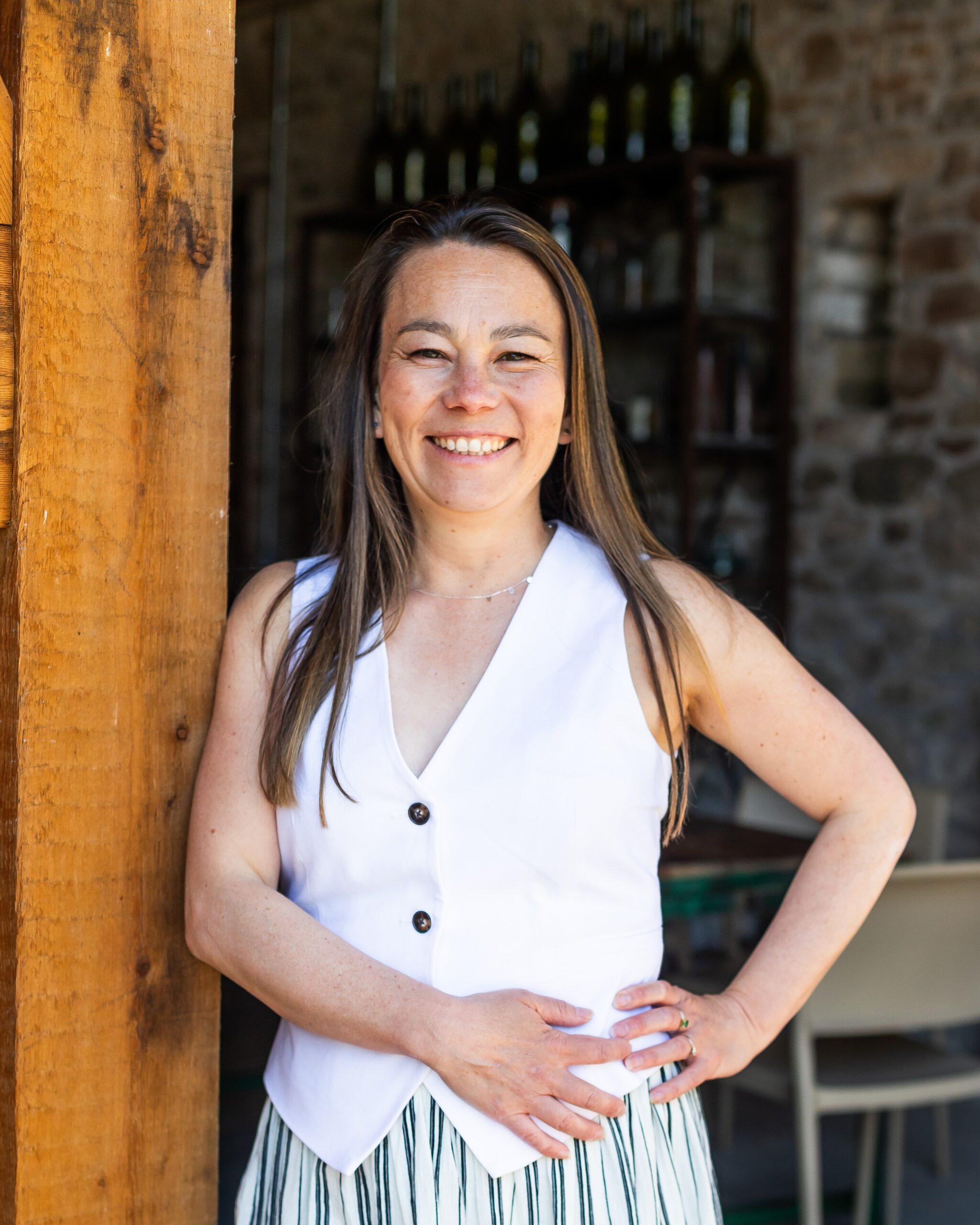
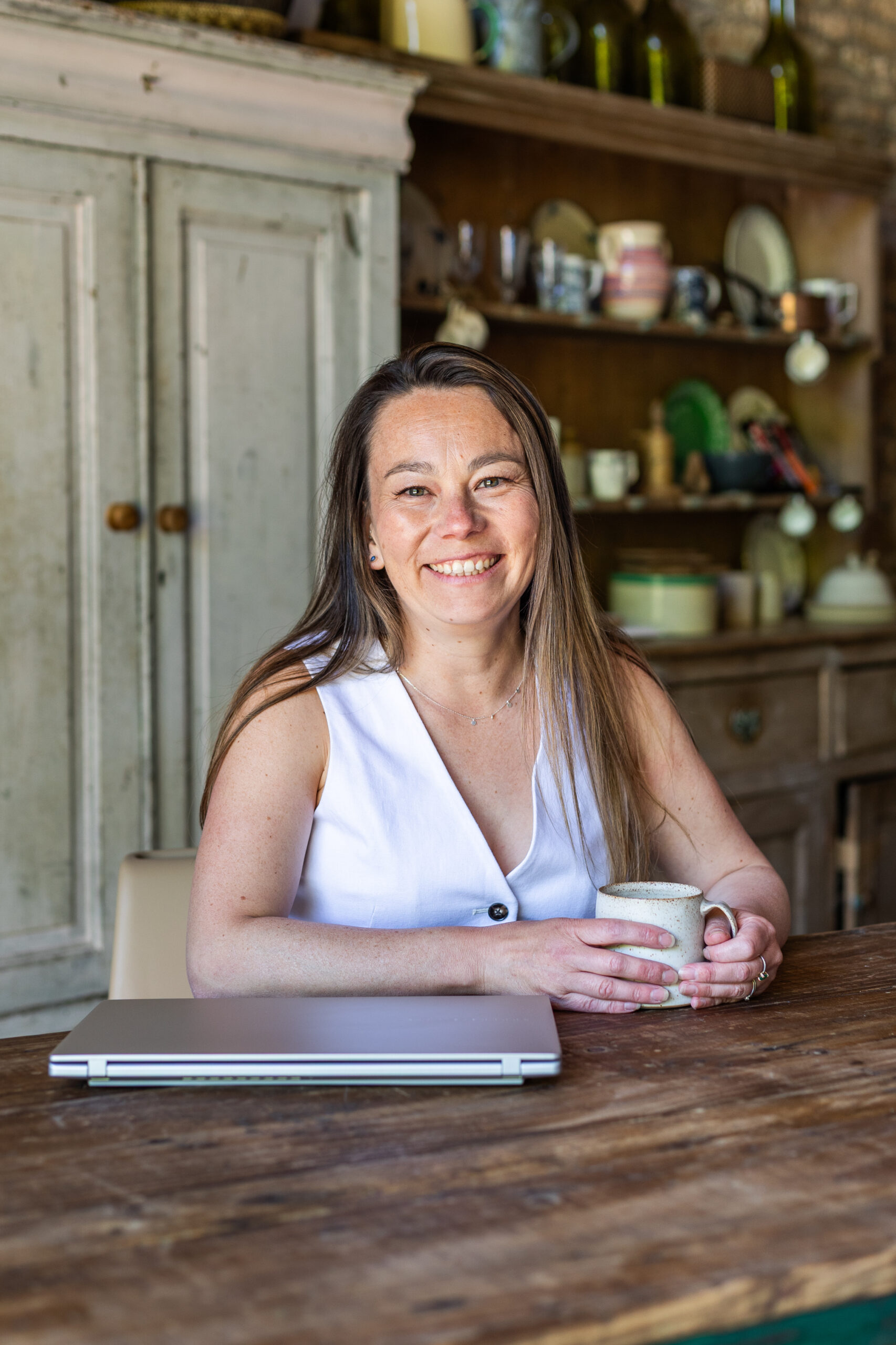
I’m Mariko. NHS-accredited, CNM Diploma Level 5 qualified, trauma-informed — but what I bring isn’t just training. It’s lived experience.
For years I lived inside a kind of anxious fog — managing, coping, telling myself I was fine. I genuinely believed that was simply my life. Not a phase, not something to move through — just how things were, and always would be. I couldn’t picture a version of it that looked any different, let alone better.
What I remember most clearly isn’t one single moment — it’s a constant, quiet refrain running underneath everything: you have to sort yourself out. Like I was broken, and it was simply a matter of trying harder to fix it. I knew things weren’t right. I just couldn’t have told you exactly what “right” meant, or named what was actually wrong. It wasn’t depression, or nothing I’d have called that at the time — just a persistent, low-level knowing that everything should feel a bit better than it did, and it never quite did, and I didn’t understand why.
My world had quietly shrunk without me really noticing it happen. There was a kind of invisible boundary around what felt safe — inside it, I was still anxious, but manageable. Outside it, the fear turned up properly. I remember driving down the ring road and feeling my whole body brace, every single time, for no reason I could have explained to anyone.
These days I catch myself mid-morning, doing something completely unremarkable — making tea, walking to the car, driving down that same ring road without a single thought — and realising nothing’s braced. No low hum of dread waiting for the next thing. It still catches me off guard, how ordinary that feels. My world has grown back to its actual size, and I didn’t know how much room the anxiety had been taking up, every single day and night, until it simply wasn’t there any more.
Here’s what I didn’t understand at the time, and wish someone had told me: the chronic anxiety I’d carried for over 25 years wasn’t a separate problem sitting alongside the burnout. It was what happened when my body lived in survival mode for that long. One of my counsellors later recognised I’d actually been operating in two levels of fight or flight — not just heightened, but stacked on top of itself, which explained a great deal I hadn’t had words for until then.
None of this happened overnight, and it wasn’t a straight line. It took the best part of a year. But when I actually recovered — properly, not just papered over — the anxiety didn’t need managing any more. It largely just… left. Nobody had ever told me those two things were the same thing.
And when stress does arrive now — because it still does, life doesn’t stop happening — I actually know what to do with it. I can feel my breathing change, or the familiar tightness starting, and I have real tools ready, not vague ideas. That’s the part I don’t think I could have believed either, back when I thought this was just who I was.
This programme is built from what actually worked — for me, and for the women I’ve since worked with. Not theory I’ve read about.
I use MYMOP — Measure Yourself Medical Outcome Profile — a clinically validated outcome-tracking tool used in NHS and primary care research. Most coaching programmes ask you to trust that something’s working. This one measures it, at the start and the end, so you have real evidence of your own change, not just a feeling.
What’s included
Everything you need for six weeks of genuine, entirely individual recalibration:
This Isn’t for Everyone
This isn’t for you if the timing genuinely isn’t right, or you’re not ready to give six weeks a proper go. That’s honest, not a sales tactic — wrong timing is wrong timing.
But if you’re waiting for the “right” time to magically appear, it’s worth asking whether you’ve already hit the point where things need to change. Maybe you have — actual burnout, undeniable. Or maybe you can feel it coming, close enough that you’ve quietly started bracing for it.
Either way, you’re likely fed up of living in survival mode. Not some big collapse — just exhausted, in the ordinary, grinding way that’s started showing up in your body as well as your head. You’ve been the strong one for everyone else for so long you’re not sure you have the energy, or even the want, to keep doing it. You can’t see how things get better from here, and you don’t like who you’re becoming while you wait to find out.
Maybe some of it runs quieter still — the pressure of what you think you’re supposed to be managing effortlessly, the judgement, real or imagined, if you admit you’re not. If your own career or plans went quiet somewhere along the way, supporting someone else’s, there’s often a particular grief sitting underneath the tiredness that nobody’s ever actually asked you about.
Here’s the thing about waiting for the right time — it rarely announces itself
“I don’t have time for this”
You’re thinking it. I know you are — everyone who needs this most is also the person with the least obvious time to give it.
Here’s the uncomfortable part: if you don’t make time now, this doesn’t just go away. Maybe you’ve already crashed once, and you know exactly how that goes, and how long it took to claw back from. Or maybe you can feel it coming this time, closer than you’re admitting to anyone. Either way, waiting rarely means it quietly resolves itself — it usually means meeting it again later, with even less choice in when or how.
Making time now isn’t six weeks lost from an already full life. It’s the six weeks that change how you experience everything after them — your relationships, your work, the ordinary evenings with your family — from a calmer, less braced angle. And there’s a quieter benefit too: you’ll actually be more use to the people who depend on you once you’re not running on empty. Not by doing more for them, if anything you’ll do a little less, inside boundaries you’ve finally claimed — but what you do give will come from somewhere that isn’t fumes.