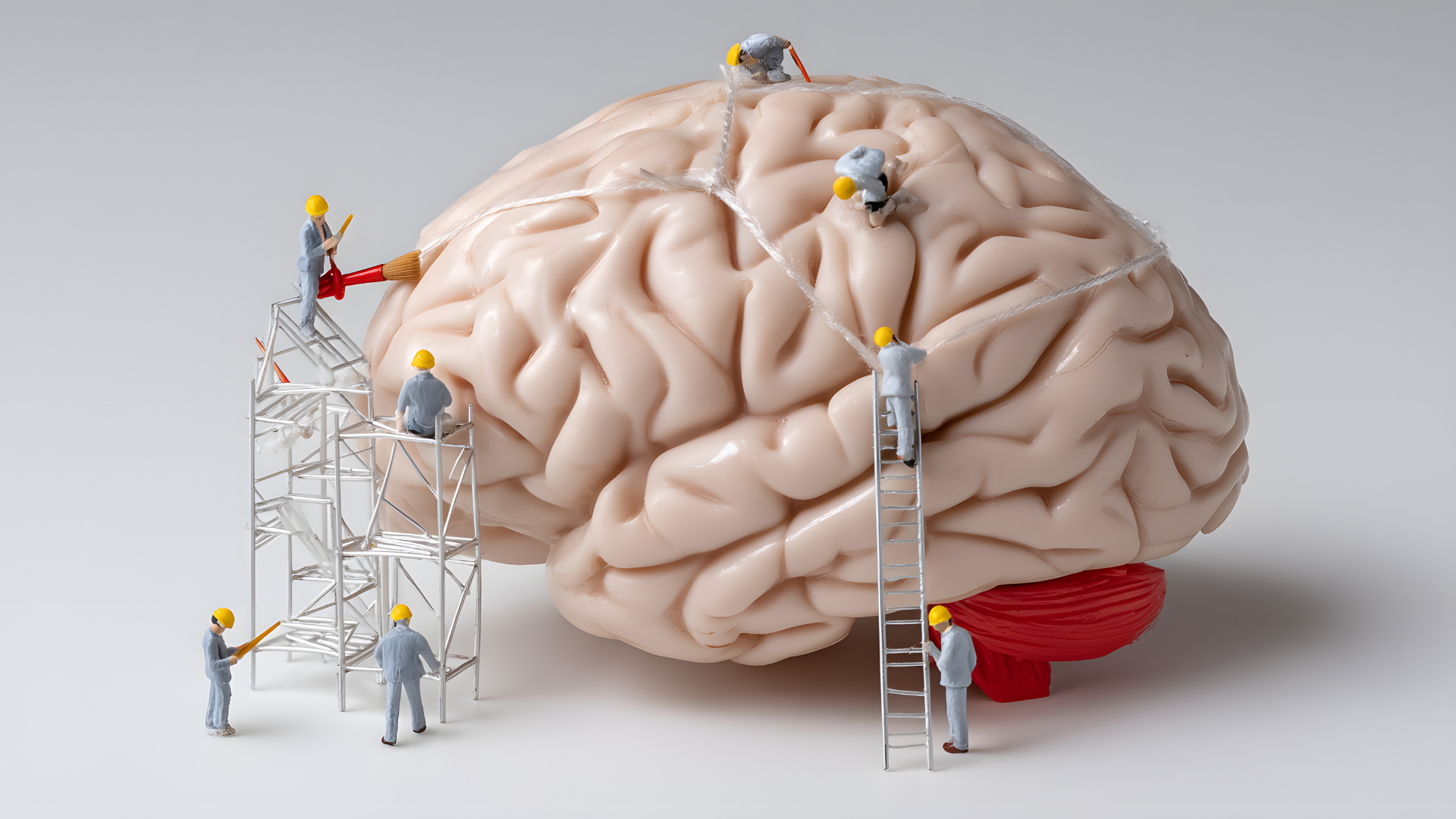
You finally sit down. Tea in hand, a few moments of quiet. And immediately, your body tightens.
I should be doing something. What am I doing just sitting here?
That uneasy, fidgety feeling that follows rest isn’t laziness. It’s the guilt hangover — and it’s a symptom of something deeper happening in your nervous system. If you’re not sure how burned out you actually are, start here.
Why Rest Feels Unsafe for So Many Women
Most of us have spent so long in the doing that we’ve genuinely forgotten what stopping feels like. Not the guilty kind of stopping — where you sit down but your brain is already three tasks ahead. Real stopping. Where your body actually exhales.
I spent years not understanding why I couldn’t do this. Years of knowing, professionally, that rest was essential — and still feeling vaguely criminal every time I tried it.
The reason isn’t weakness. It isn’t ingratitude. It’s that your nervous system has been in service mode for so long that it’s forgotten how to receive. When you spend years proving your worth through doing — at work, at home, for everyone around you — your body learns to equate movement with safety. And stillness with something that needs fixing.
So you sit down. And instead of exhaling, you start cataloguing everything you’re not doing.
The Invisible Load and the Loss of Self
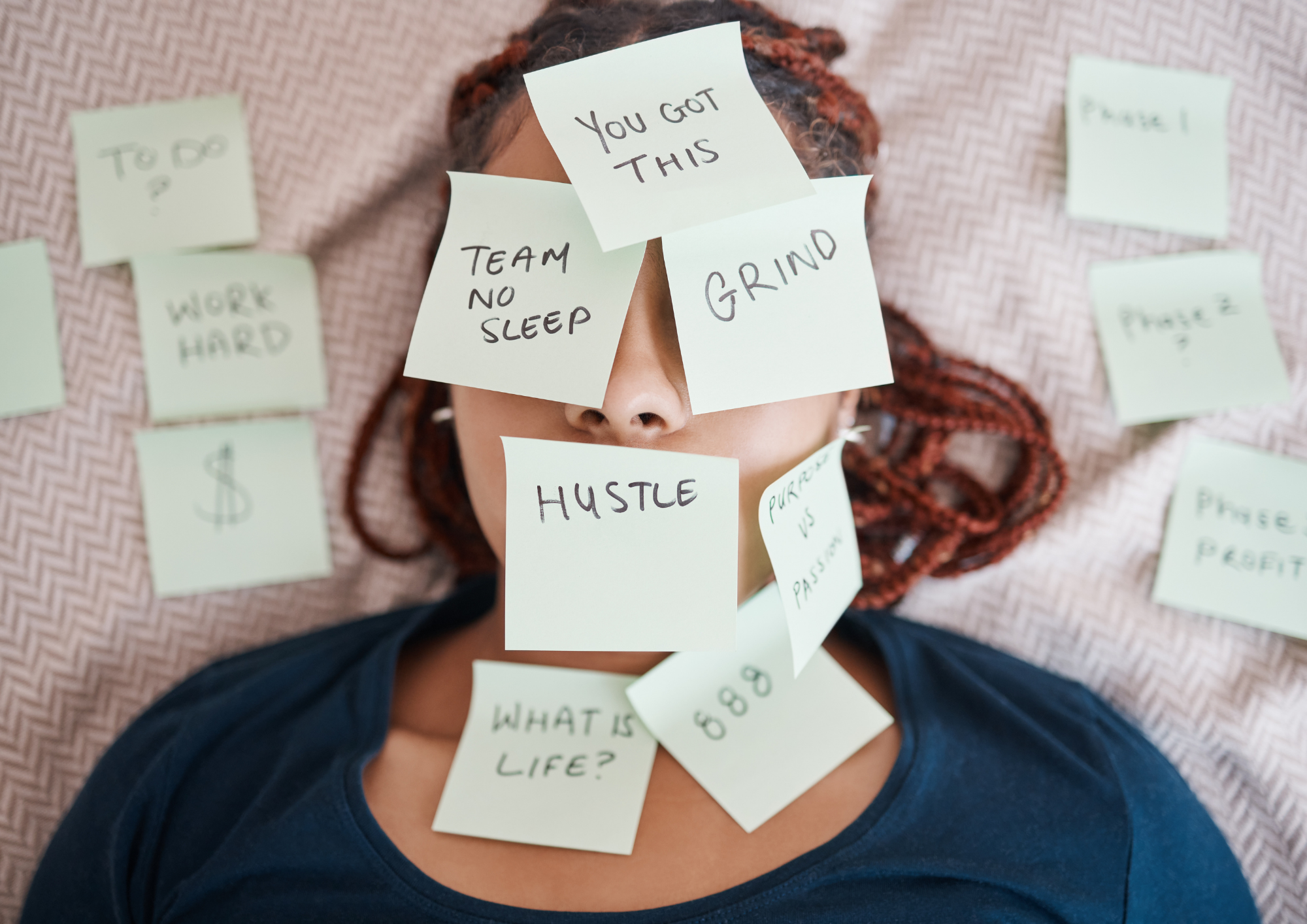
Most of us have been so long in the doing that we’ve forgotten what stopping actually feels like. Not the guilty kind of stopping — where you sit down but your mind is already three tasks ahead. Real stopping. Where your body actually exhales.
Why is it so difficult to take time for ourselves? Why don’t we sit with a cup of tea and allow our minds to clear for ten minutes? Or give ourselves permission for a breathing exercise, a walk, that yoga class we keep postponing? That’s what we’re trying to get back to.
Chronic Stress: The Hidden Hand Behind Rest Guilt
Modern life has most of us operating in chronic stress mode — a low-level state of alert where our bodies are constantly braced for the next thing. Chronic stress isn’t a badge of honour. It’s a sign your body has been in survival mode for too long.
When your nervous system is dysregulated, rest can literally feel unsafe. Your body doesn’t distinguish between physical and emotional threat — it simply registers stillness as vulnerability.
Your nervous system doesn’t distinguish between a looming deadline and an actual threat. It just knows you’ve stopped — and stopping, to a system wired for survival, is suspicious.
That’s why you might sit down for five minutes and suddenly feel restless, irritated, or even anxious. Your sympathetic nervous system — the fight-or-flight response — is still running the show, whispering: move, fix, do something. This post explains exactly what’s happening in your body when that occurs.

What’s Really Going On in Your Body
Our brains and bodies were never designed to exist in constant overdrive. Yet many women live in a cycle of hyper-vigilance. Your stress hormones rise and stay high. Cortisol and adrenaline keep you scanning, planning, and predicting.
Over time, this becomes your baseline. You forget what true rest feels like. Even sleep can feel shallow and unrefreshing because your body hasn’t learned to downshift. Healing begins when you understand that this isn’t a willpower issue — it’s biology.
Healing the Nervous System: Relearning Safety in Stillness
You can’t heal a dysregulated nervous system by pushing through. You heal it by teaching your body that it’s safe to slow down. Reconnecting with rest starts with small, consistent signals of safety. Here’s more on how your nervous system actually works — and what it needs from you.
The route back isn’t dramatic. Small, consistent signals of safety are what teach the nervous system that it’s allowed to slow down — two breaths before a task, a minute of warmth and quiet, noticing when your body is actually supported by a chair and letting that register. The body learns through sensation and repetition, not willpower. Small and often beats long and occasional every time.
Burnout Recovery Begins with Permission to Pause
This isn’t about giving up — it’s about coming home. Burnout recovery is rarely about doing more. It’s about doing less, on purpose. Every time you let yourself rest without apology, you teach your nervous system that safety isn’t something you have to earn.
Rest isn’t selfish. It isn’t a reward for finishing the list. It’s the part that makes everything else possible — and you’ve been skipping it for years.
About the Author
Mariko Broome is a trauma-informed transformational health coach and women’s wellbeing advocate.
Through her workshops, writing, and coaching, she helps women heal burnout, realign with their purpose, and create sustainable calm — one real step at a time.