Do you ever sit in your car for a few minutes — scrolling, answering messages, or just sitting in silence — before you walk through the door and switch “on” again?
Because I certainly do.
Those moments of pause might be the only thing keeping modern burnout from completely swallowing us whole. Finding some peace — no matter how little — can feel like a moment of bliss within a storm.
That small pause says everything about modern womanhood. We’re not lazy. We’re not failing. We’re living in a world that expects us to do it all — and do it perfectly.

The Invisible Job No One Talks About
The mental load — the constant thinking, anticipating and remembering — is exhausting. It’s not just the doing. It’s the managing of the doing.
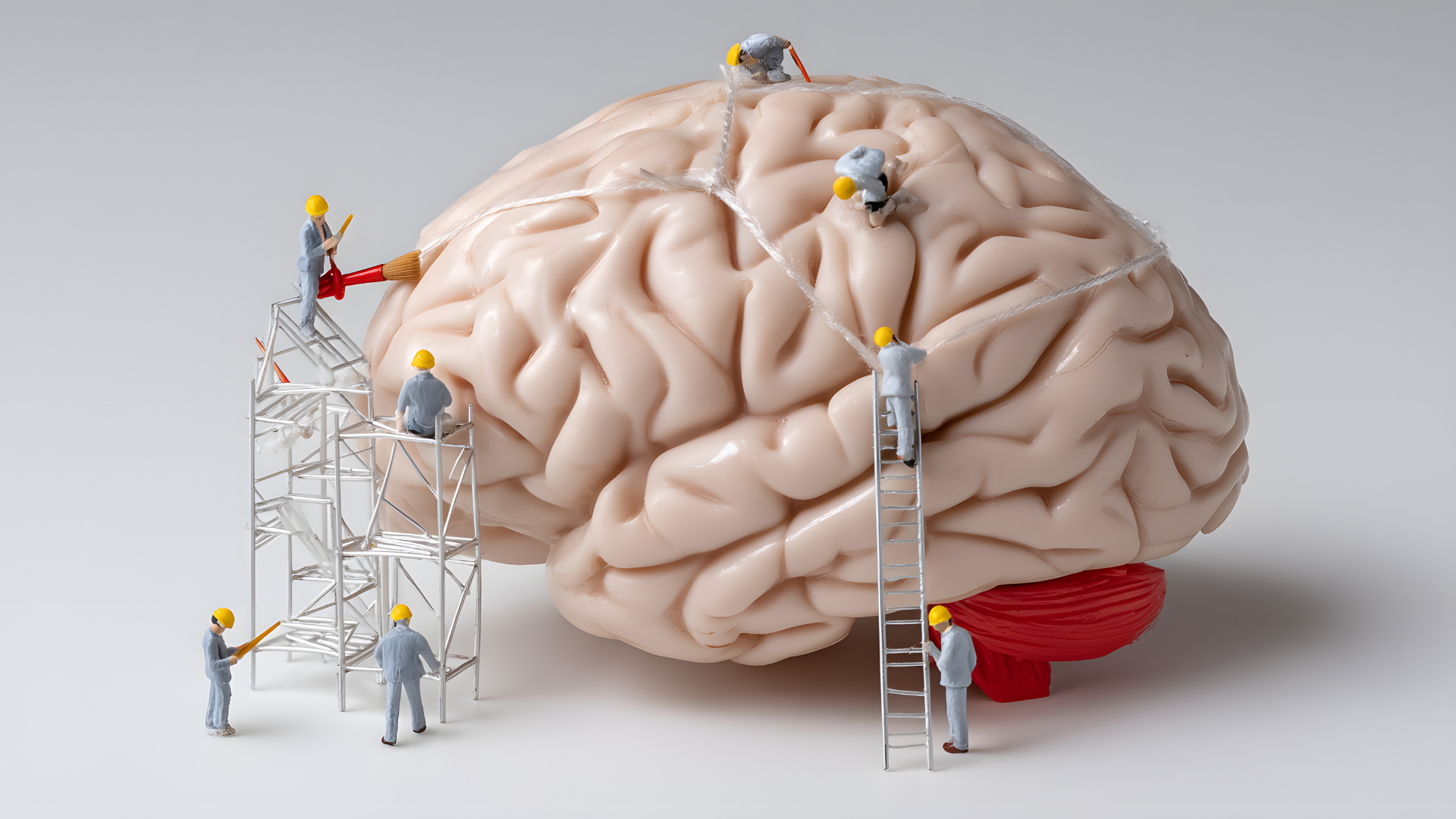
When you can’t focus or you forget why you walked into a room, it’s not you being disorganised. It’s your brain trying to juggle too much for too long. Chronic stress reduces activity in the planning centre of the brain — the prefrontal cortex — and that has real, measurable consequences on your ability to think clearly, prioritise and follow through.
You’re not losing it. Your brain is overloaded. This post on executive function and burnout explains exactly what’s happening — and what helps.
When the Load Becomes Too Heavy

For me, the load became unbearable when my work stopped bringing joy.
I loved helping people, but my NHS job had become another place where I was stretched too thin, constantly switched on, and rarely appreciated. I stayed because it looked good on paper — the “right” thing to do.
I thought if I ticked all the boxes and kept everyone happy, the fulfilment would follow.
But the truth is, I was conforming, not thriving.
When your work, your hormones and your sense of self all collide in midlife, it’s like your body holds up a mirror and whispers: is this really working for you? Mine wasn’t — and that realisation was both terrifying and liberating.
Acknowledging Privilege and Perspective
I know I’m in a fortunate position to have had the option to step away. Many women don’t — and that’s exactly why this conversation matters. The system relies on women pushing through exhaustion, ignoring their intuition, and carrying more than anyone realises.
Whether you’re able to change your circumstances right now or not, the first step is always the same: noticing that something isn’t working. Because awareness is where change begins — even if the action comes later.
The Aftermath of ‘Doing It All’
At first, leaving didn’t bring calm — it brought chaos.
I kept myself busy because slowing down felt wrong. My body was tense, my mind was racing, and I woke up during the night in panic — heart pounding, already running through a mental list of everything I hadn’t done.
I was still running around like a headless chicken — only this time, I didn’t have a job title to hide behind.
It took months before I started to feel my shoulders drop again. I began group skills sessions, therapy, breathing classes, strength training, and long walks with friends — especially in nature. I spent slow mornings in coffee shops (never without a matcha latte) and learned to sit still without guilt.
For the first time in years, I gave myself permission to rest — really rest. To recalibrate. To become human again.
You can’t heal in the same chaos that broke you. This post on cancelling on yourself is a good place to start understanding why that keeps happening.
Why We’re So Tired — And What Needs to Change

This isn’t just personal burnout. It’s cultural conditioning.
We’re praised for resilience, not rest. For coping, not communicating. For multitasking until we crash.
The good news? We can choose differently.
Healing doesn’t mean dropping everything and moving to Bali. It means creating micro-moments of peace inside the life you already have.
When we slow down, we don’t lose productivity — we gain clarity. When we rest, we don’t become weaker — we become wiser about where to spend our energy.
“You don’t need balance. You need bandwidth.” — Mariko Broome. Here’s why rest feels so wrong — and how to start changing that.
If This Feels Familiar
You’re not alone. And you’re certainly not broken.
You’re living in a world that asks for more than any one person can give. This post explains exactly why women in their 40s are carrying more than any generation before them. And you deserve better than just pushing through it.
About the Author
Mariko Broome Women’s health coach in Bath, specialising in burnout and nervous system health. She works with women who’ve tried the conventional route — and are ready for something different.