I want to tell you something I couldn’t have said a few years ago.
I feel safe.
Not “safer than I was.” Not “managing better.” Safe. Genuinely, quietly, unremarkably safe — the way I imagine people who never had chronic anxiety feel every single day without even noticing it.
If you’ve lived with anxiety — really lived with it, the kind that follows you everywhere like a bad smell you can never quite escape — you’ll understand why those three words feel almost miraculous. Because for 25 years, I didn’t know what safe felt like. I thought the constant low hum of dread, the body that never switched off, the brain scanning every room for threat — I thought that was just life.
It wasn’t.
And I want to tell you what I know now.
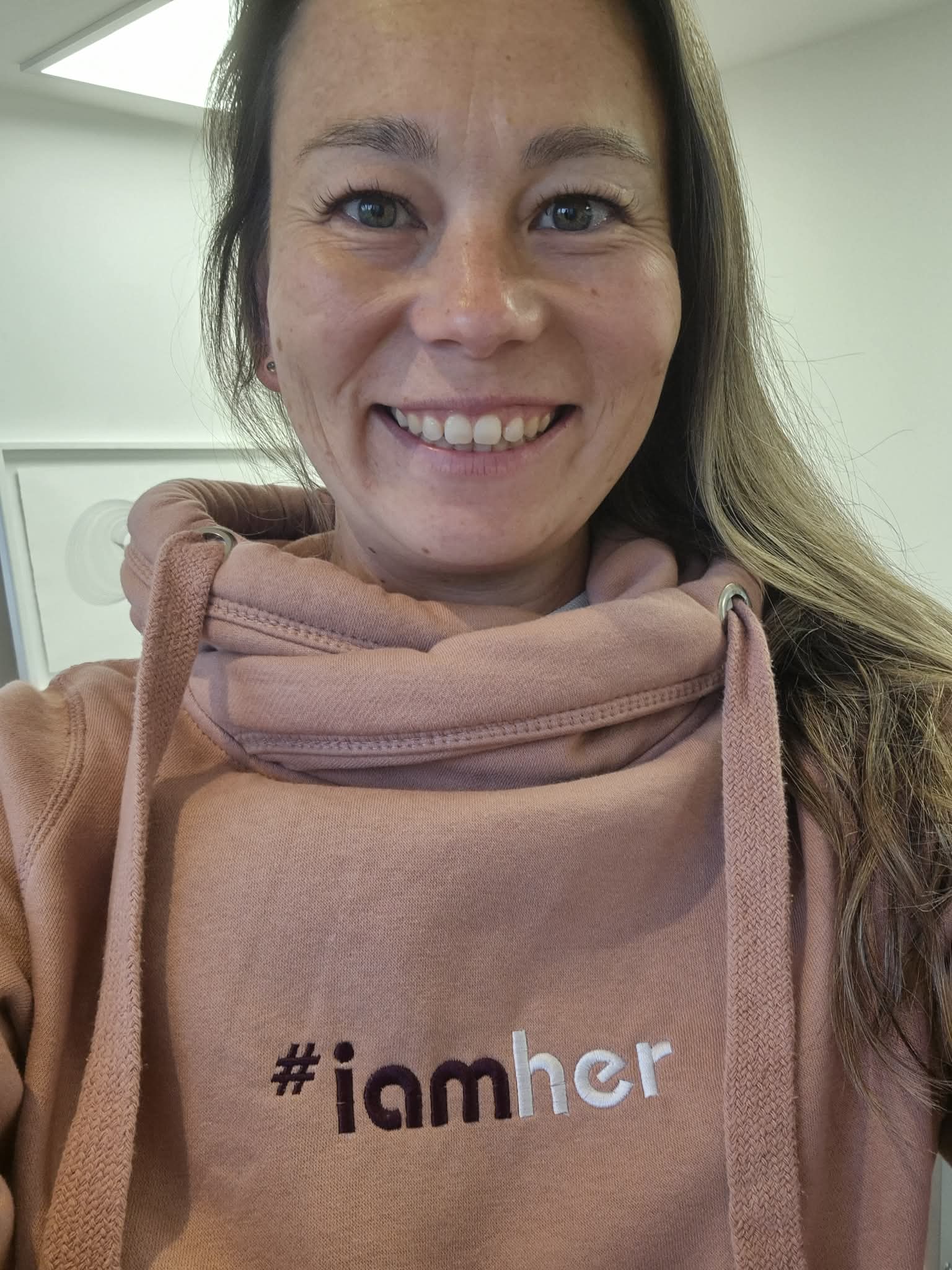
I want to tell you something I couldn’t have said a few years ago.
I feel safe.
Not “safer than I was.” Not “managing better.” Safe. Genuinely, quietly, unremarkably safe — the way I imagine people who never had chronic anxiety feel every single day without even noticing it.
If you’ve lived with anxiety — really lived with it, the kind that follows you everywhere like a bad smell you can never quite escape — you’ll understand why those three words feel almost miraculous. Because for 25 years, I didn’t know what safe felt like. I thought the constant low hum of dread, the body that never switched off, the brain scanning every room for threat — I thought that was just life.
It wasn’t.
And I want to tell you what I know now.
It started when I was around 15.
My first panic attack came out of nowhere. One minute I was fine. The next, I was convinced I was dying.
I remember going into my parents’ room in the middle of the night, waking my dad up, being taken downstairs. And in that moment — trying to make sense of what was happening — he told me you can die from a panic attack.
He meant well. He didn’t know. But I carried that belief with me for years.
So I didn’t just have anxiety. I became anxious about the anxiety. Terrified of my own body. Convinced that what I was experiencing was dangerous — that I was, somehow, dangerous to myself.
Panic attacks became woven into my life. Hyperventilating. Racing heart. The feeling of total, helpless loss of control.
By 18, anxiety had such a hold on me that I left my job. I simply couldn’t manage it anymore.
At 19, I was fast-tracked for heart tests because doctors thought something was seriously wrong. When they told me it was anxiety, I remember thinking: how can something that feels this physical just be anxiety?
What nobody understood — including me — was how much my body was already holding.
I need to go back a little further.
During secondary school, I was being sexually abused. My grandad — my absolute hero — died. Then my uncle, one of my biggest cheerleaders, died suddenly during what should have been a routine operation.
At home, things never felt settled. My mum found it hard to express emotions. My dad moved in and out of the family home for years. There was no consistent sense of safety anywhere.
Then when I was 17, my dad left. I left school the week after. And the week after that, I ran away from home.
I ran to my then boyfriend — because he made me feel safe. Because I didn’t know yet that safe was something that could come from inside me. I was a 17 year old girl who had lost everything familiar in the space of three weeks, and I ran toward the only thing that felt like an anchor.
That’s not weakness. That’s a child doing the only thing she knew how to do.
But my dad didn’t just leave. He became suicidal and disappeared. He got himself sectioned.
And at 19, I became homeless.
I was placed in a B&B in King’s Cross — before the redevelopment, when King’s Cross was a very different place. One evening, a man approached me and asked if I was “working.” At first I didn’t understand what he meant. And then I did.
I went to the council office the following day. By a stroke of luck — the kind of luck that feels almost too precise to be accidental — I happened to be in the middle of my NHS heart tests at the time. The very tests that came from my anxiety. The very thing my body had been doing to cry out for help. That’s what got me housed. The council transferred me to a private, female-only hotel in Earl’s Court, and that’s where I stayed.
Until I decided, on a complete whim, to go to university.
I’d had my heart set on UCL. I didn’t quite make my conditional grades. But I had been awarded a scholarship by Campden Charities, and I didn’t want to waste it. So a week before term started, I made a snap decision — followed a friend up to Preston, enrolled, and began.
In October 2005, I had a panic attack on a flight to Texas. I was competing in a skating competition — a group of us had gone to support one of our friends, and I was competing myself. Surrounded by people I knew, on my way to something I loved, and my body chose that moment to completely fall apart. Trapped in my seat, thousands of feet in the air, with nowhere to go and no way out. That feeling of being trapped stayed with me for a very long time.
I fell pregnant in my first year. We had our son in my second year.
We lost our second son, Finias.
After having Caspian at university, we were desperate to grow our family. Finias was so wanted. But he passed away before I gave birth to him at St George’s, in the lilac room. We had him blessed. And then we had to leave the hospital without him.
That is the hardest thing I have ever had to do in my life.
On my wedding day, I was physically miscarrying. We had been hoping to share our news that day — another chance, another baby. Instead, we said nothing. I held it. And I kept going.
And then came Seren — our rainbow baby, so deeply wanted after everything we had lost. We loved her fiercely from the moment she arrived. At eight months old, she was rushed in for emergency, life-saving surgery with intussusception. Then just before her sixth birthday, she had her second and third operations.
Her body has been through so much. As a result, she lives with visceral hypersensitivity — pain so severe that even oramorph doesn’t fully touch it. Episodes where her legs shut off completely and she can’t walk. Every time she said she was in pain, my brain would immediately jump to worst case — will she need another operation? Is she blocked? My nervous system, already primed for threat, would go into immediate overdrive.
And I kept going. Because that’s what you do when you’re in survival mode. You keep going. You cope. You hold everyone else together and you tell yourself you’re fine.
On the outside, I was coping.
Underneath, my body had never once switched off.
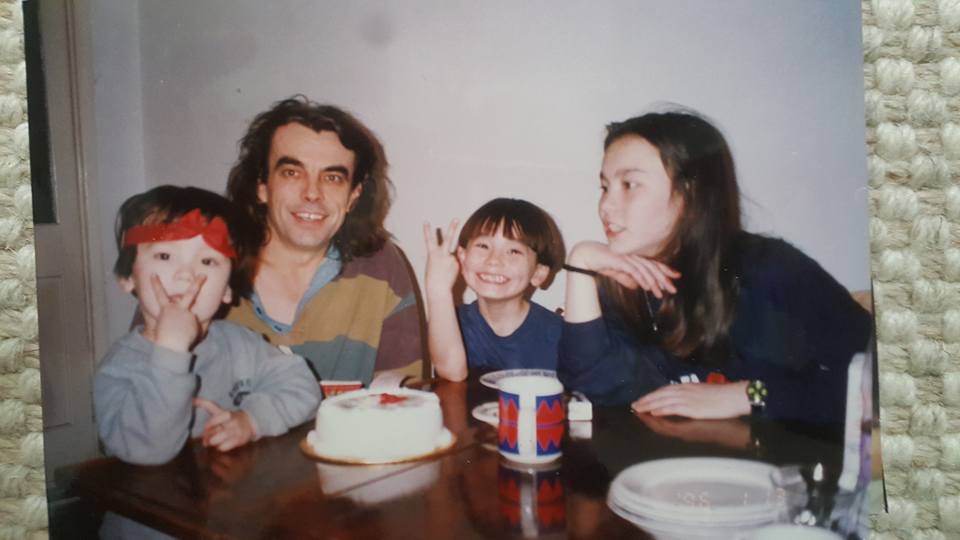
Then in August 2023, I lost my dad to a cult.
I need to sit with that sentence for a moment, because even now it sounds surreal.
He didn’t die. He’s still alive. But he’s completely unreachable — taken in by a group that had found him at his most vulnerable and slowly replaced everything he was. He is one of the most intelligent people I have ever known. He is also deeply vulnerable. And he was taken advantage of.
The email arrived out of nowhere. He told me he had found more “authentic” connections elsewhere.
I remember reading it and feeling something I can only describe as flabbergasted. Like the ground had just disappeared. My reply was something close to: how dare you. I have shown you unconditional love. I have been the only person on this planet to truly be there for you.
Because I had. And none of it mattered.
There is a particular kind of grief that comes with losing someone to a cult. There’s no funeral. No closure. No moment where the world pauses and acknowledges what you’ve lost. He is alive, and yet completely gone. And the person I thought I knew — the dad I had fought so hard to stay close to — has been replaced by something unrecognisable.
My body absorbed that loss on top of everything else it was already carrying.
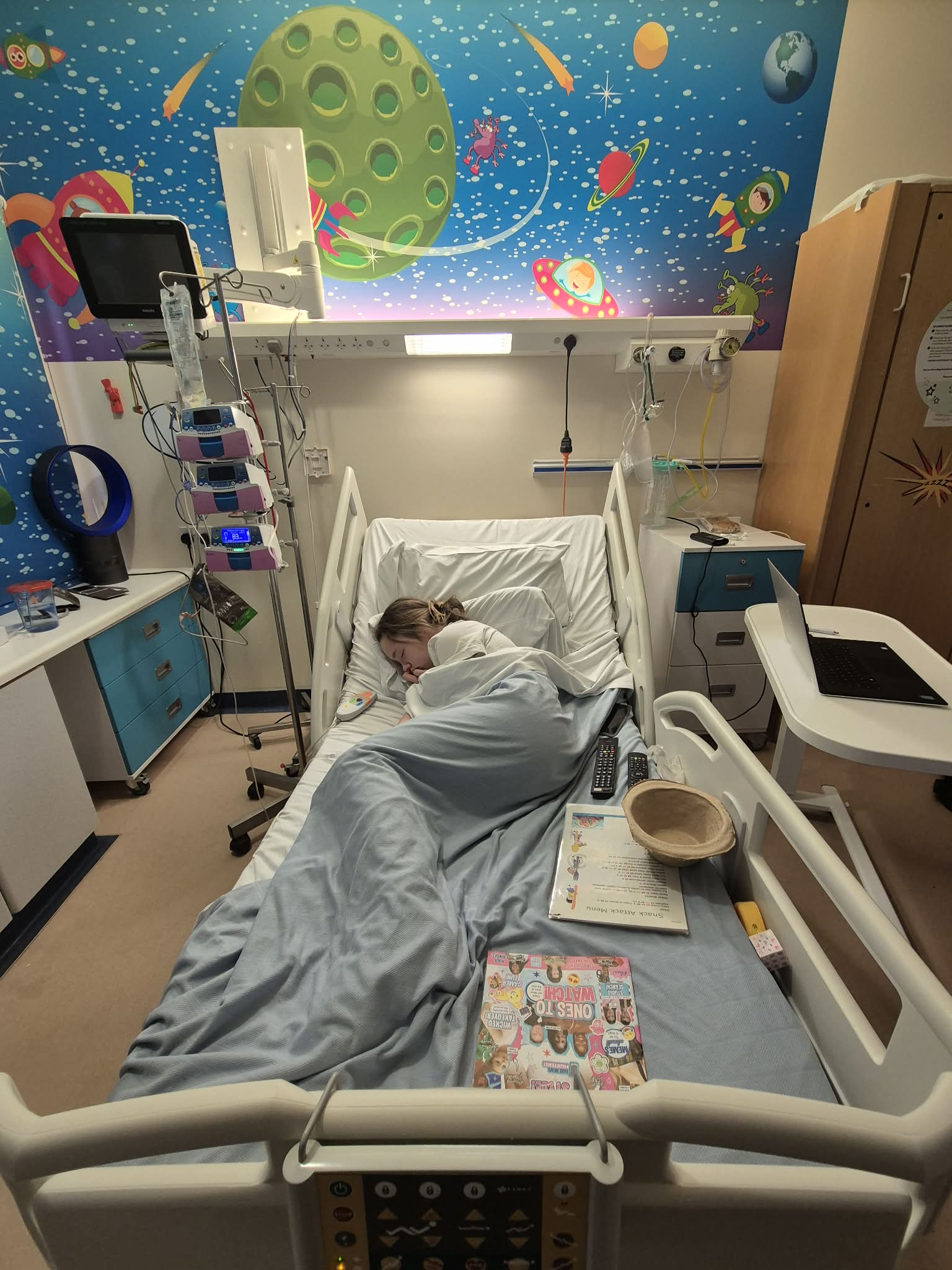
A year later, I couldn’t take my daughter to hospital alone anymore.
I need to say that again, because I think it’s important.
I — a woman who had spent 25 years managing anxiety, holding everything together, keeping going no matter what — reached a point where I could not drive my daughter to hospital by herself. I needed my husband there. I couldn’t do it alone.
The hospital recognised I had PTSD.
Each hospital stay was taking longer and longer to recover from. My nervous system was so depleted, so flooded, so completely overwhelmed that even the anticipation of a crisis would undo me. I was running on empty. And the tank had finally, completely, run dry.
That was the moment something had to change.
Not a decision made from strength. A decision made from the absolute bottom of depletion. Which, I’ve come to understand, is often exactly where real change begins.
So I started doing things differently.
Not one sweeping transformation. Not a single breakthrough moment. Just small, consistent changes — over months, over years.
Therapy, both NHS and private. Breathwork. Strength training. Learning how to rest without immediately feeling guilty about it. Saying no. Building better boundaries. Slowly, painstakingly, stopping the habit of filling every single minute with something — anything — just to avoid sitting with myself.
Grief counselling for my losses. Facing, finally, what my body had been carrying.
But the biggest shift wasn’t something I did. It was something I came to understand.
Those sensations — as intense and real and terrifying as they had always felt — were not dangerous. I was not broken. I had simply been living in survival mode for so long that I had mistaken it for my personality.
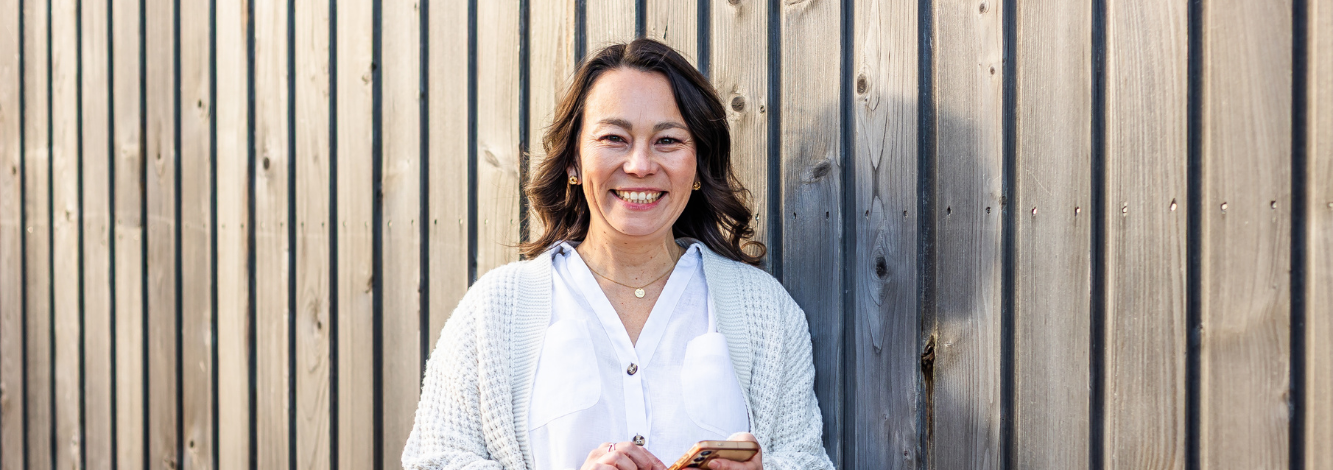
Then one day I said something to my counsellor.
I said “I feel safe” to myself this morning.
It had only lasted a moment. But it was long enough for my brain to register it. To hold it. To file it somewhere new.
And then those moments got longer. And longer. And longer.
Until — quietly, without fanfare, sometime around the end of last year — I realised the anxiety was gone.
Not managed. Not suppressed. Not gritted into silence. Gone.
This year, everything started to feel different.
Not in a big, obvious way. In an ordinary everyday kind of way.
I started noticing I was doing everyday things — driving, cooking, being in a supermarket, sitting in a garden — and they just felt different. Lighter. More present. More real.
And then I understood why.
For 25 years, everything I experienced had anxiety attached to it. Every moment, every place, every ordinary day had that low hum underneath it. — the scanning, the bracing, the waiting for something to go wrong. I hadn’t known any different. It was just life.
So when the anxiety lifted, I wasn’t returning to something familiar. I was arriving somewhere I had never been before.
I was doing everything for the first time.
The joy of a good meal, actually tasted. A sunny morning, actually felt. A quiet evening, actually rested in. Not braced. Not half-absent. Not already preparing for what might go wrong next.
Just there. Fully, completely, wonderfully there.
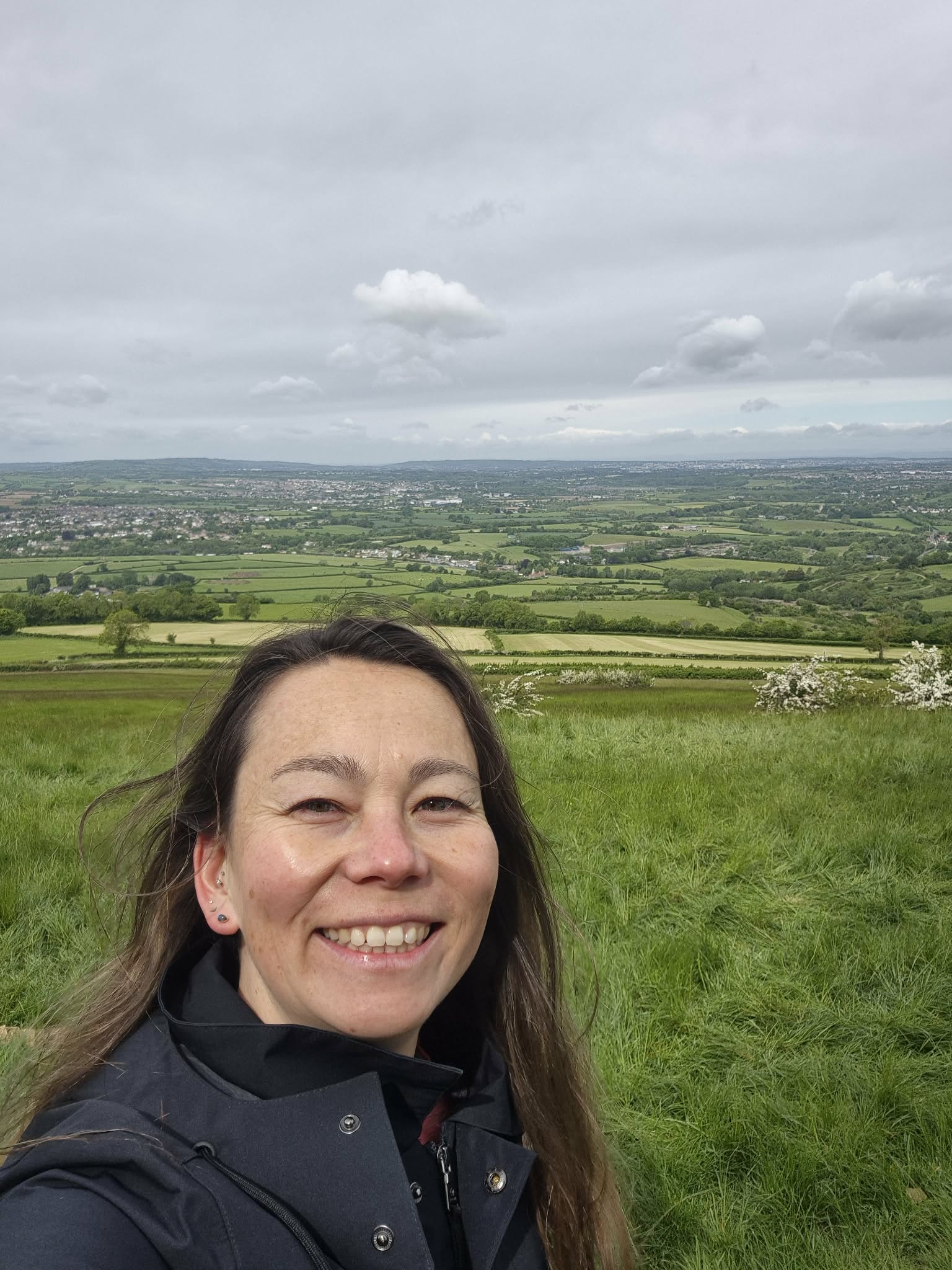
Here’s what nobody told me about the other side.
Everyone talks about recovering from anxiety as though it’s about removing something. The absence of panic. The absence of dread. The absence of fear.
But what I was completely unprepared for was everything that arrived once it lifted.
I started hearing birds. Properly. Not as background noise my nervous system was scanning for threat — but as something genuinely, surprisingly lovely.
I stopped overspending. I hadn’t connected the dots until the anxiety was gone — but so much of my relationship with money had been driven by fear. The frantic buying, the holding onto things just in case, the scarcity underneath everything. When the anxiety left, so did the compulsion. I had the most glorious declutter. I felt lighter in every sense of the word.
I stopped keeping things for best. You know that thing — the good china, the expensive candles, the clothes still with the tags on, saved for a special occasion that anxiety quietly whispers might never come. I used to do that with everything. Now I don’t. Now every day is the occasion. Use the good tea bags. Light the candle. Wear the dress.
And then there are the sun loungers.
This May, during the heatwave, I sat on one of our new sun loungers at the end of the garden — by the peonies and the wildflowers and the pots of colour — and I just… breathed. The heat on my face. The sound of everything alive around me. My body completely horizontal, completely outside, completely present.
I messaged my husband: these are the best purchase of 2026.
I have been out there wrapped in a blanket on cooler days too. There is something so grounding about being outside and horizontal — something my nervous system recognises now as: this is rest. This is safe. This is allowed.
I used to save that feeling for holidays. I used to think relaxation was something that happened in other places, on other days, when everything was sorted and earned and deserved.
Now I know: it’s available every day. In your own garden. In your own life. Right now.
I know what it feels like to be on the other side.
And I want that for you.
Not a perfect life — life will always have its hard edges, its hospital visits, its losses, its griefs. Mine still does.
But a life where you are not constantly living in the shadow of your own nervous system. Where exhaustion isn’t your baseline. Where you’re not just coping, surviving, forcing your way through each day.
A life that feels easier. Lighter. More joyful. More yours.
A life where you hear the birds.
If I can get here — with 25 years of chronic anxiety, with PTSD, with everything my body has carried — so can you.
That’s not a motivational poster. That’s not a sales pitch. That’s just the truest thing I know.
Still stuck in fight-or-flight… or constantly feeling on edge?
If life has started to feel like constant pressure, exhaustion, or overwhelm, you’re not alone.
Every so often I send thoughtful emails sharing simple ways to calm the nervous system, navigate burnout, and reconnect with yourself.
I also occasionally share updates about the supportive women’s community and events I host.
No spam. Just thoughtful emails. You can unsubscribe anytime.
Still stuck in fight-or-flight… or constantly feeling on edge?
If life has started to feel like constant pressure, exhaustion, or overwhelm, you’re not alone.
Every so often I send thoughtful emails sharing simple ways to calm the nervous system, navigate burnout, and reconnect with yourself.
I also occasionally share updates about the supportive women’s community and events I host.
No spam. Just thoughtful emails. You can unsubscribe anytime.
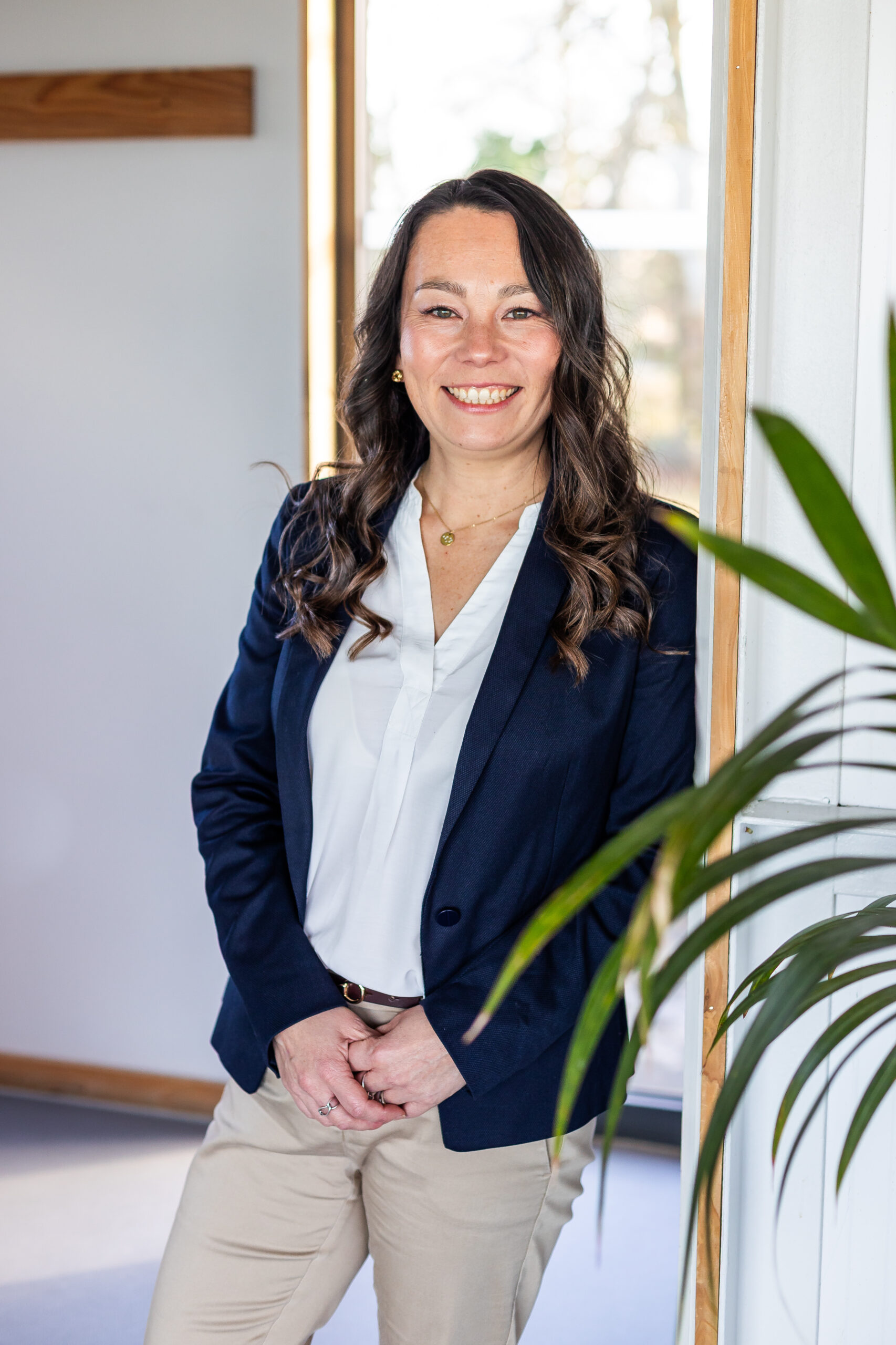
About the Author
Mariko Broome is a women’s health coach in Bath, specialising in burnout and nervous system health. She works with women who’ve tried the conventional route — and are ready for something different.