(Because how you eat is just as important as what you eat)
I recently supported a client whose sugar cravings were off the scale.
She’s a busy working mum who’s always on the go — juggling work, family, and the invisible list that never seems to end. By the time we first spoke, she was exhausted, anxious, and frustrated that she “knew what she should be doing” but couldn’t seem to do it.
With some gentle reflection and education, she began to see a pattern — her day was a cycle of caffeine highs and sugar crashes.
She started to meal plan ahead so she wasn’t frantically piecing meals together, and she introduced healthy, blood sugar–stabilising snacks, meaning less “grab what I can find” moments.
The result? Within a month — between our initial consultation and her follow-up — her cravings had dramatically reduced, her focus had improved, and her energy felt steadier throughout the day.
Because here’s the truth: when we eat sugar, we crave more sugar. It’s a biochemical trap, not a lack of willpower.
And when we live in a constant state of highs and crashes, our mood, focus, and emotional stability take the hit.
The hidden rollercoaster inside your body
Most people think of sugar as a “treat” — a quick pick-me-up after a long day or an innocent sweet fix between meals. But what we don’t always see is the chemical chaos that’s happening beneath the surface.
Dr. Sarah Myhill explains it perfectly:
“Your blood sugar doesn’t just affect your waistline — it affects your brain chemistry.”
Every time you eat, your body works hard to keep your blood sugar in a balanced range. When you eat something high in refined carbs or sugar (think white bread, biscuits, pastries, even some ‘healthy’ granola bars), your glucose spikes quickly. You feel energised — for a moment.
But soon after, your blood sugar crashes. Cue the irritability, tiredness, shaky hands, or anxiety that follow. Your brain, in its survival mode, then signals, “More sugar!” And the cycle continues.
That’s why it’s called the blood sugar rollercoaster — you’re constantly being pulled between peaks and dips, and your mood and focus ride along with it.
For many women I work with, this rollercoaster is so familiar that it feels normal. But when we start stabilising it — through regular, balanced meals and steady nourishment — the difference can feel life-changing.
If this sounds familiar, you might enjoy Why Diets and Weight Loss Fads Don’t Work, where I explain why restriction and “quick fixes” only make this cycle harder to break.
Food as information
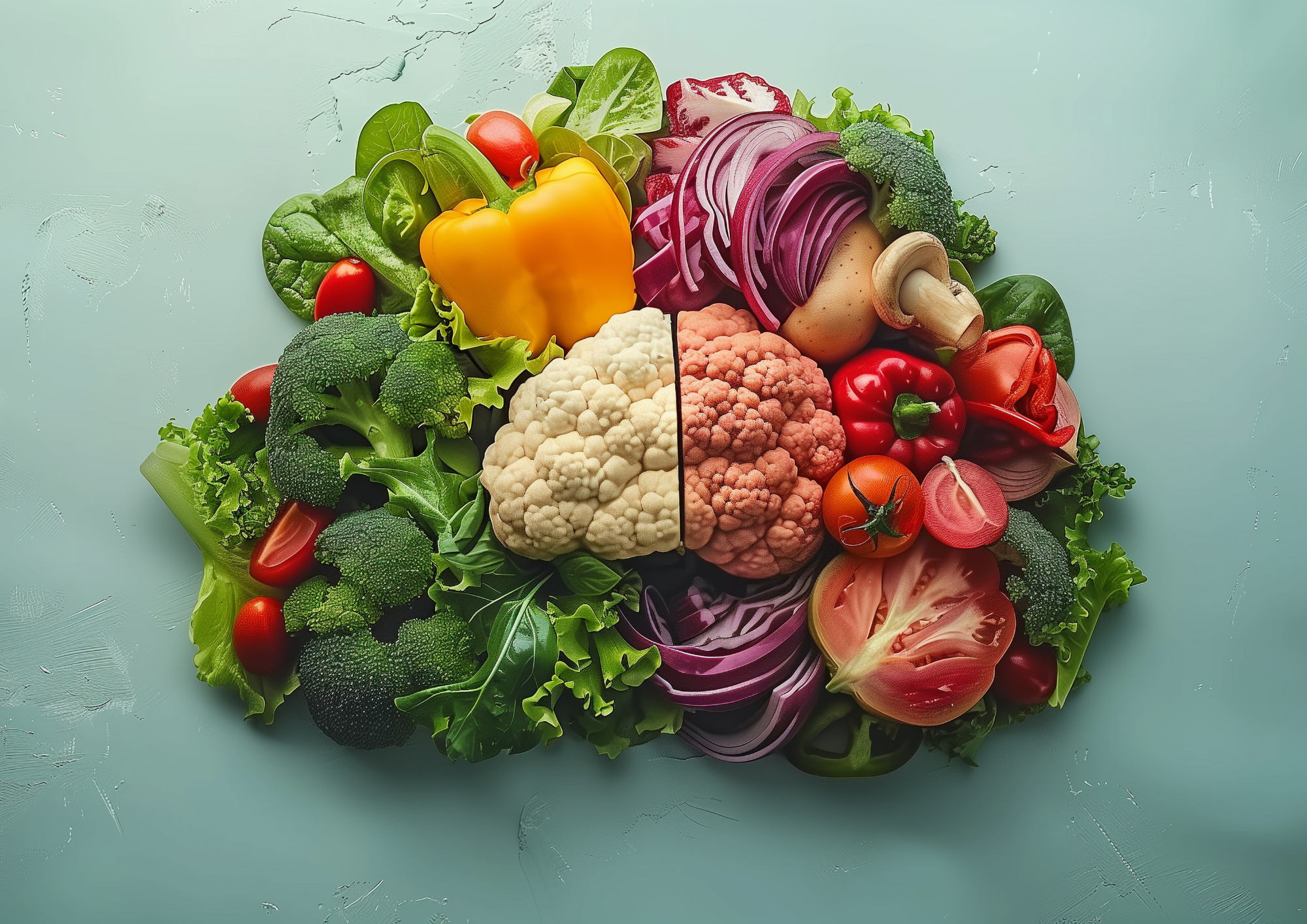
We often underestimate just how intelligent our bodies are. Every bite we take tells our system something about what to expect next.
Functional medicine expert Dr Mark Hyman puts it beautifully:
“Food is information for your cells — every bite you eat sends a message about how calm or chaotic your body should feel.”
Think about that for a moment. Your food is like a language your body speaks fluently — and it’s always listening.
When you skip meals, live on caffeine, or rely on sugar to get through the afternoon, your body hears: “We’re in stress mode — stay alert.” That translates to higher cortisol (your stress hormone), racing thoughts, and anxiety spikes.
But when you eat protein-rich meals, fibre-filled carbs, and healthy fats, your body gets the message: “We’re safe. We can slow down.”
You feel calmer, more grounded, and more in control of your emotions.
Balanced blood sugar isn’t about restriction — it’s about giving your body the right signals to support calm, clarity, and confidence.
For a deeper look at how stress and digestion work together, read The Stress–Gut Connection: How Burnout Affects Digestion and Overall Health.
What the science says
The evidence for the food-mood connection is growing — and it’s not just about what we eat, but how consistently we nourish ourselves.
A 2022 study in the British Journal of Nutrition found that participants who balanced their blood sugar with protein and fibre intake reported 42% fewer mood swings and 25% better concentration after just two weeks. Two weeks!
Another review, published in Frontiers in Psychology (2023), revealed that chronic blood sugar spikes don’t just cause fatigue — they trigger the body’s stress response, releasing cortisol and adrenaline. Over time, this fuels anxiety, irritability, and emotional exhaustion.
No wonder so many of us feel frazzled after a “treat” that’s meant to make us feel better. Our bodies aren’t built to handle constant spikes and crashes — they’re designed for steady, sustained energy.
And it’s not about cutting all sugar out. It’s about understanding how different foods affect your energy, hormones, and brain chemistry — so you can make choices that support calm rather than chaos.
If you want to learn small, sustainable steps for stabilising energy and managing overwhelm, check out 5 Real-Life Ways to Start Healing Burnout.

The calm-from-within reset
If you’ve ever found yourself saying “I just don’t have the willpower,” please hear this:
It’s not about willpower. It’s about biology.
When your blood sugar is balanced, you naturally make better choices. You’re not fighting cravings — you’re free from them.
Here are some small, simple shifts that can create a huge difference in your energy, mood, and focus:
1. Don’t skip breakfast — and make it protein-first.
Breakfast sets the tone for your entire day. A bowl of cereal or a croissant gives you a quick glucose hit, followed by a mid-morning crash.
Instead, try Greek yoghurt with seeds and berries, or eggs on sourdough with avocado. The protein and fat help keep your blood sugar steady for hours.
2. Pair your carbs with protein or fibre.
When you eat carbohydrates alone (like a banana or toast), your blood sugar rises quickly.
But if you pair it with protein or healthy fat (nut butter, boiled eggs, cheese, hummus), you slow down that glucose release — which means fewer crashes and cravings later on.
3. Snack smart.
My client from earlier didn’t need to give up snacks — she just swapped them.
Instead of reaching for quick fixes, she started keeping nuts, oatcakes with nut butter, or apple slices with Greek yoghurt on hand. These snacks satisfied her without sending her energy all over the place.
4. Watch your caffeine timing.
Coffee on an empty stomach sends your blood sugar soaring, especially when you add syrup or drink multiple cups before lunch.
Try having your first coffee after breakfast, or switch to matcha or herbal tea mid-afternoon when your cortisol levels naturally dip.
5. Build balanced plates.
A good rule of thumb:
Half your plate should be colourful vegetables, a quarter lean protein, and a quarter wholegrains or starchy veg, with a drizzle of healthy fat.
This balance keeps glucose release steady and gives your brain the steady fuel it craves for focus and calm.
6. Be kind to yourself in the process.
Change doesn’t come from restriction — it comes from awareness.
For a more science-backed explanation of how sugar, mood, and hormones interconnect, read The Calm-from-Within Diet: How Food Shapes Your Mood.
The bigger picture

When we talk about food and mood, it’s not just about physical energy — it’s about emotional regulation and mental clarity.
So many of the women I work with tell me they feel “on edge,” “wired but tired,” or “unable to switch off.” And while there are many reasons for that — stress, hormones, lack of rest — blood sugar dysregulation is one of the most overlooked contributors.
Once you start balancing your meals, your cravings calm down, your energy steadies, and that sense of chaos begins to fade. You start to feel less reactive, more grounded, and genuinely more you.
That’s the calm-from-within effect — not another diet, but a lifestyle rooted in balance, nourishment, and self-compassion.
If you’d like to understand how personalised support can help, explore What Does a Trauma-Informed Health Coach Actually Do? — or take the free Burnout Quiz to find your personal calm-from-within blueprint.
Ready to start your own calm-from-within journey?
If you’re ready to take the first small step, explore my Sweet Escape workshop — a practical, non-restrictive approach to understanding sugar and creating calm from the inside out.
Or take my free Burnout Quiz to discover your personal calm-from-within blueprint.
References
British Journal of Nutrition, 2022. Effects of blood glucose stability on mood, focus, and concentration: a dietary intervention study. British Journal of Nutrition, 128(4), pp. 612–620.
Frontiers in Psychology, 2023. The relationship between chronic blood glucose fluctuations, stress response, and mood regulation. Frontiers in Psychology, 14, Article 115092.
Hyman, M., 2019. Food: What the Heck Should I Eat? London: Yellow Kite.
Myhill, S., 2018. Diagnosis and Treatment of Chronic Fatigue Syndrome and Myalgic Encephalitis. Hammersmith: Hammersmith Health Books.
NHS, 2023. Sugar: The Facts. [online] Available at: https://www.nhs.uk/live-well/eat-well/food-types/sugar-nutrition/
[Accessed 20 October 2025].
About the Author
Mariko Broome is a trauma-informed transformational health coach and women’s wellbeing advocate.
Through her workshops, writing, and coaching, she helps women heal burnout, realign with their purpose, and create sustainable calm — one real step at a time.