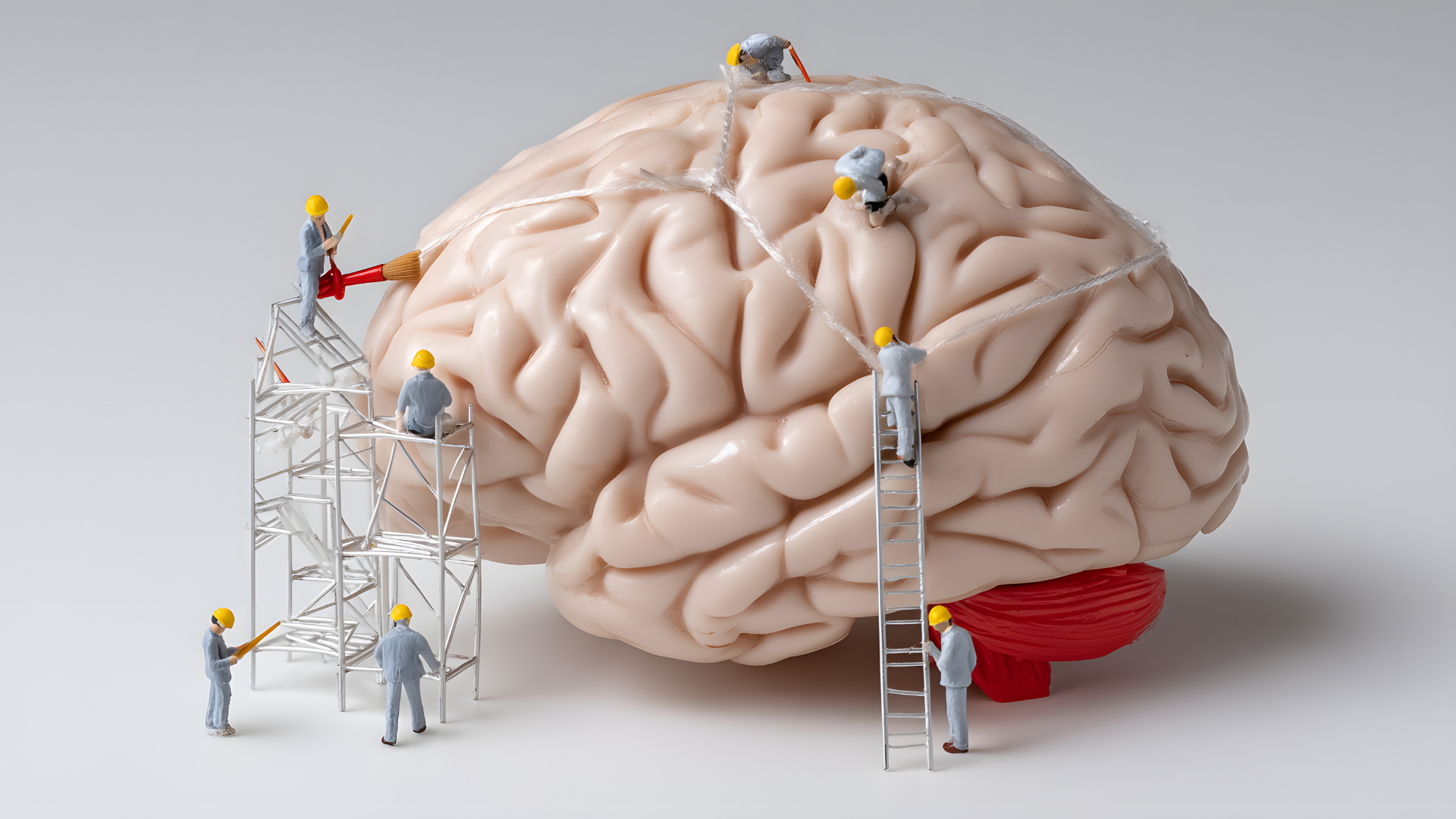
Recently, I was chatting with a friend on the high street. We were bonding over shared experiences — nothing heavy, just a heartfelt conversation about something close to both of us. Then, without warning, I felt my body start to give way. The world tilted. My heart raced, my legs went weak, and I genuinely thought I might collapse.
Instantly, my mind jumped to panic: What’s wrong with me? Health anxiety took over in seconds. Thankfully, I was close to home. On the walk back, I put some of my breathing exercises into practice. When I got inside, I took a moment before heading to therapy.
When I explained what had happened to my therapist, she smiled softly and said: “It sounds like you were triggered — your brain was trying to protect you.”
That moment changed everything.
I hadn’t fainted. I hadn’t “lost control.” My body had shut off for a moment because it sensed emotional overload. It was dissociation — my nervous system stepping in to keep me safe. Once I understood what had actually happened, I felt relief. I wasn’t broken. My body was communicating with me — I just hadn’t been fluent in its language yet.
Your Body Always Knows First
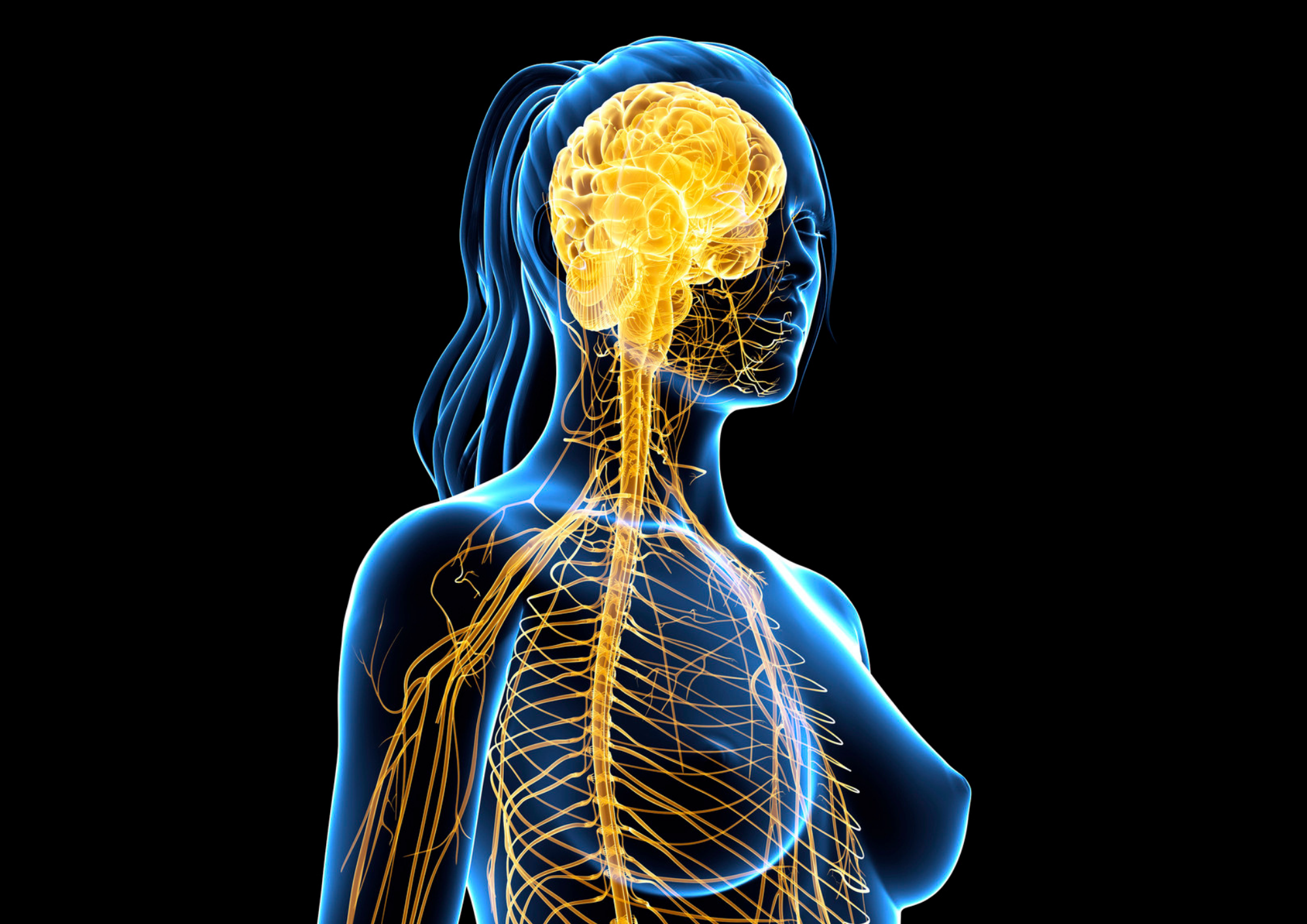
We often think of stress, anxiety, or burnout as problems we can “think” our way out of — but our nervous system gets there first. Long before your mind catches up, your body is scanning for cues of safety or danger.
It’s what neuroscientists call neuroception — your subconscious radar that constantly asks: am I safe right now? When the answer feels like “no,” even for reasons you can’t see, your body automatically shifts into protection mode.
Sometimes that looks like racing thoughts, irritability, or a pounding heart — fight or flight. Other times, like mine on the high street, it looks like dizziness, numbness, or disconnection — freeze or faint.
You’re not weak. You’re wired for survival. If this sounds familiar, this post on living in fight or flight explains exactly what’s happening — and why high-functioning women are particularly vulnerable to it.
When Stress Becomes Your Normal
Chronic stress can literally rewire the brain — shrinking the hippocampus (the part that helps with memory and emotional regulation) and over-activating the amygdala (the fear centre).
That’s why, when life feels “too much” for too long, you might find yourself reacting to small things as if they’re major threats — because, to your body, they are. Your nervous system isn’t being dramatic. It’s exhausted. It’s been running the show solo for a while.
The good news? You can teach it to feel safe again. And if exhaustion is also affecting your focus and ability to get things done, this post on executive function and burnout is worth a read.
The Science of Calm
When you’re constantly “on,” your foot stays pressed on the accelerator. But simple, consistent regulation techniques can start to restore balance. Regular grounding and breathing exercises can meaningfully lower cortisol — not through long meditations or fancy routines, but through small moments of awareness that tell your body: you’re safe now. What you eat also plays a role — this post on sugar and mood explains the food-stress connection.
Finding Calm in Real Life

A few things I use myself and share with clients — none of them require a retreat or a new morning routine.
Grounding through your senses works fast: name five things you can see, four you can touch, three you can hear, two you can smell, one you can taste. It sounds almost too simple. It isn’t — it pulls you out of your head and back into your body in under a minute.
Box breathing does something similar through the vagus nerve — your body’s calm switch. Four counts in, hold for four, four out, hold again. One minute of this and your nervous system starts to get the message.
If you’re more of a mover, shake it out. Literally. Animals discharge stress physically after a threat — we’re supposed to as well. Roll your shoulders, move your hands, stretch your neck. It helps your body complete the stress cycle rather than leaving it stuck halfway through.
Beyond those moments: build pockets of safety into your week. The walk, the familiar scent, the soft lighting — whatever your body softens around. Spend time there on purpose, not just when you’re already overwhelmed. And when you notice the overwhelm rising, try naming it out loud: I’m safe, but my body doesn’t feel safe right now. Awareness itself is a form of regulation.
You’re Not Broken — You’re Protecting Yourself
Healing doesn’t mean forcing yourself to stay calm all the time. It means recognising what state you’re in — and giving your body what it needs to return to balance.
When life feels too much, remember: it’s not your fault you can’t “just relax.” Your nervous system is the real boss — and it’s doing its best to keep you safe.
About the Author
Mariko Broome is a women’s health coach in Bath, specialising in burnout and nervous system health. She works with women who’ve tried the conventional route — and are ready for something different.